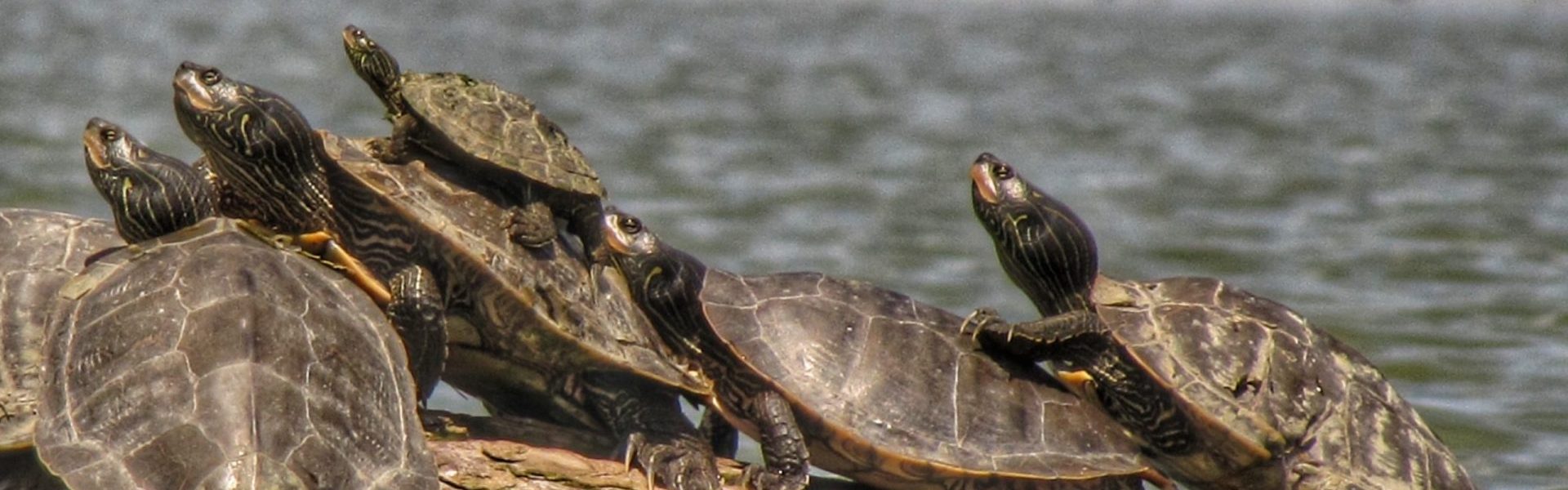
The Canada South Land Trust is a registered charitable organization. Our mission is to preserve natural areas in the City of Windsor, Essex County, Pelee Island and the municipality of Chatham-Kent for future generations.
Canada South Land Trust Area for Conservation

Town of Essex Official Plan – Open House
Date: Wednesday September 11th, 2024
Time: Drop in anytime 5-7pm
Location: Harrow Arena Community Room
(243 McAffee Street, Harrow)
*Focus on the municipal-wide Official Plan.
Link to the Town site to access the Plan: Official Plan – Town of Essex
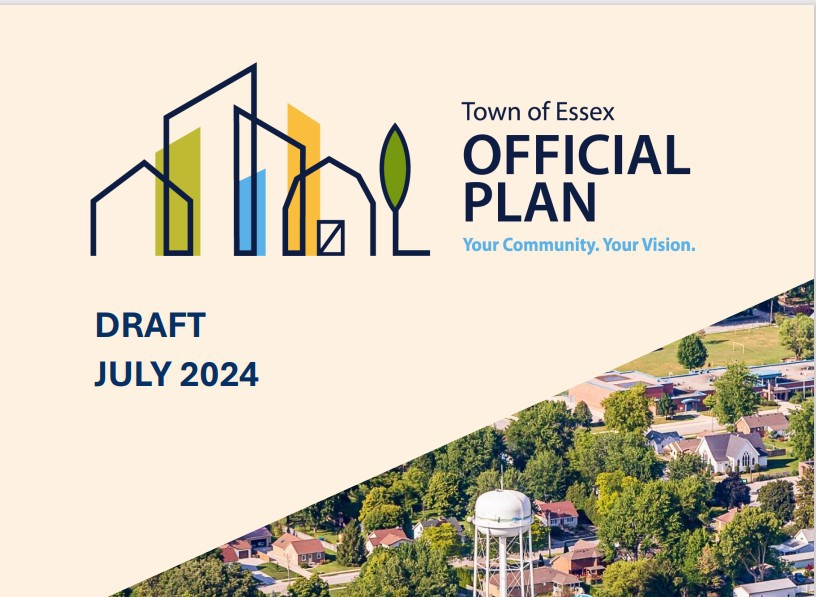
Planning matters, matter! To honour our land acknowledgements and to ensure that our future generations have a healthy environment and foodlands to sustain them, we can do our part and let our policy makers know that is what we want our County Official Plan to do. Here is a present opportunity:
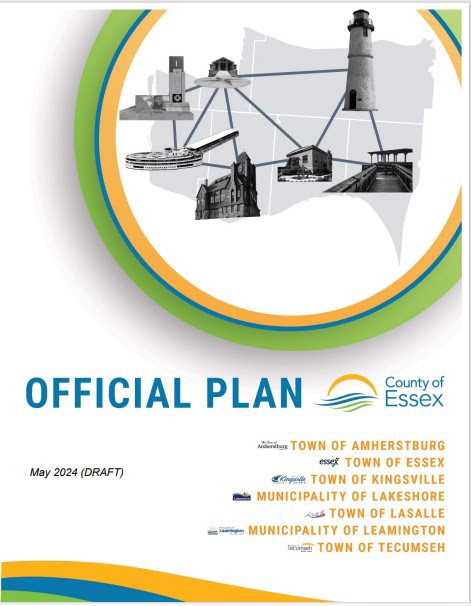
The public can submit comments to the County of Essex until September 20th, 2024.
____________________
Ontario is losing an average of nine family farms a week !
:format(webp)/https://www.thestar.com/content/dam/thestar/opinion/contributors/2022/06/13/ontario-is-losing-an-average-of-five-family-farms-a-week/peggy_brekveld.jpg)
_____________________
You can own and manage your land and secure it’s natural heritage features for future generations! Please read:
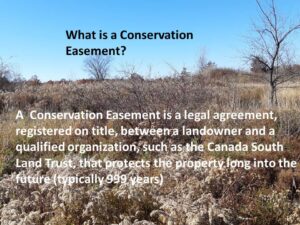
Environment Canada’s Ecological Gifts Program Can Provide a Financial Benefit to People Securing Their Lands – either by donating their land, or registering a Conservation Easement on the title. A link to the Government of Canada’s Ecological Gifts overview, just click on the image below:
___________________
We honour the memory of our founding President, Elizabeth (Betty) Learmouth. She was the kindest, most thoughtful person that many of us have ever known. Her contributions, to the Canada South Land Trust and to other organizations and efforts in conservation, are legacy in our community.
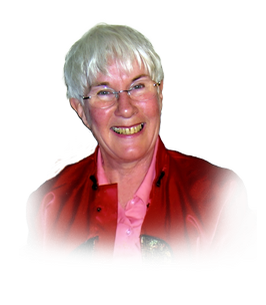 https://www.familiesfirst.ca/memorials/elizabeth–learmouth/5308274/index.php
We will be keeping her legacy in the minds and hearts of future generations with the planned acquisition of a natural heritage site to be named:
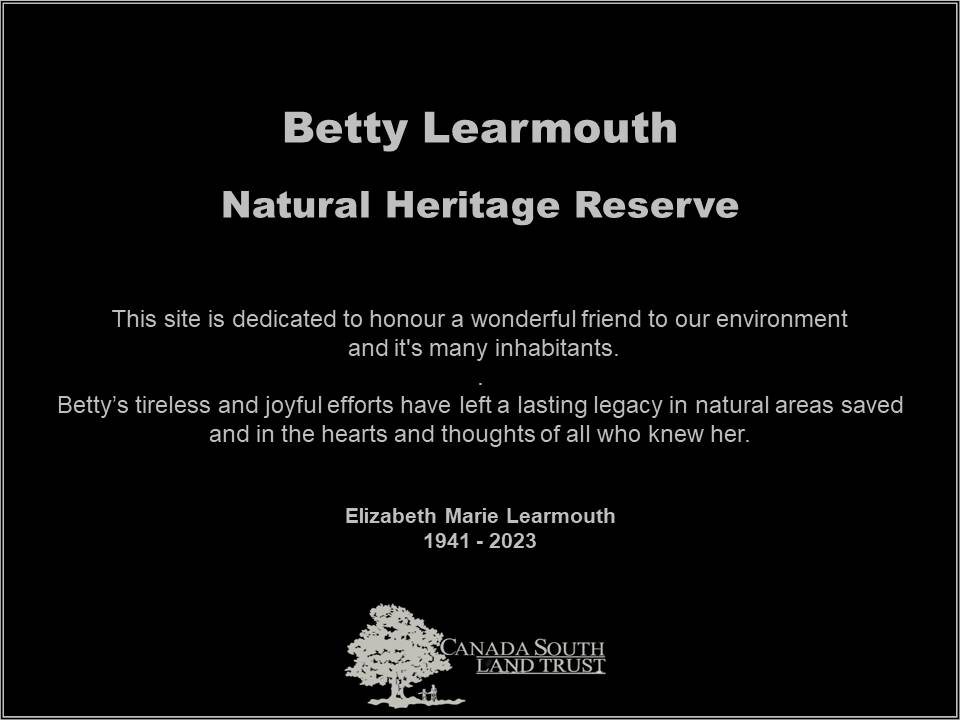
If you would like to make a donation in memory of Betty, please note on your cheque or etransfer:
– for Betty’s Natural Heritage Reserve.
____________________
Did you know that the Town of LaSalle has plans to develop over 2,000 acres of land?
To learn more, just click on this image to link to our dedicated page of information regarding this planning area.
 Just click on the image to link to the LaSalle site
People’s Objections have been Heard!
The Duffins Rouge Agricultural Preserve was to be protected for agricultural and environmental conservation in perpetuity. The Terms of Reference for the Environmental Impact Study have just been released. The sad part of this legacy is that it is now the taxpayers are paying for the studies that the profiteers should have paid for and completed, prior to any removal from their designation. The link to the terms: https://iaac-aeic.gc.ca/050/documents/p84459/152654E.pdf
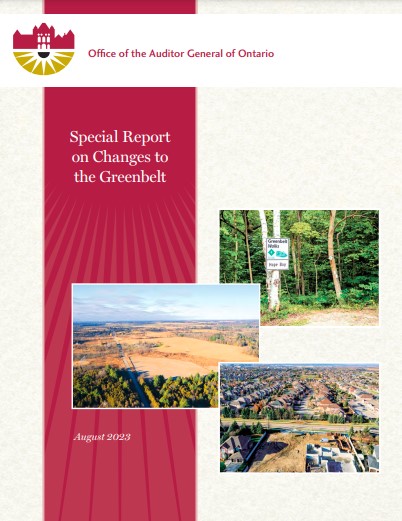
The Greenbelt was established to provide additional protections for important resource lands. The Auditor General’s recent report provides, “We found that 12 of the 15 parcels of land chosen for removal from the Greenbelt had been, as noted by the Housing Minister’s Chief of Staff, requested for removal by developers or their representatives. Many of these individuals had advocated for the removal in emails and in-person meetings within a few months prior to their removal.” Link to the report: https://www.auditor.on.ca/…/specialrep…/Greenbelt_en.pdf
This article from the Toronto Star provides a good reminder that we need to communicate our concerns with policy makers:
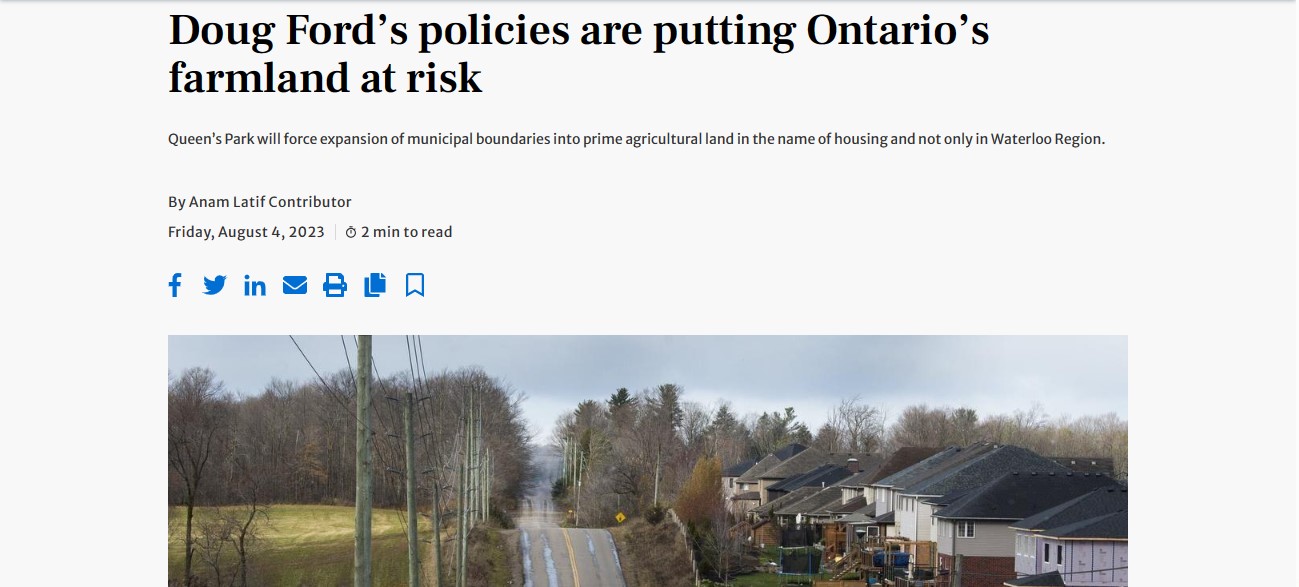
Ontario farmland, not just Greenbelt, eyed by developers (thestar.com)
Oak Wilt update:
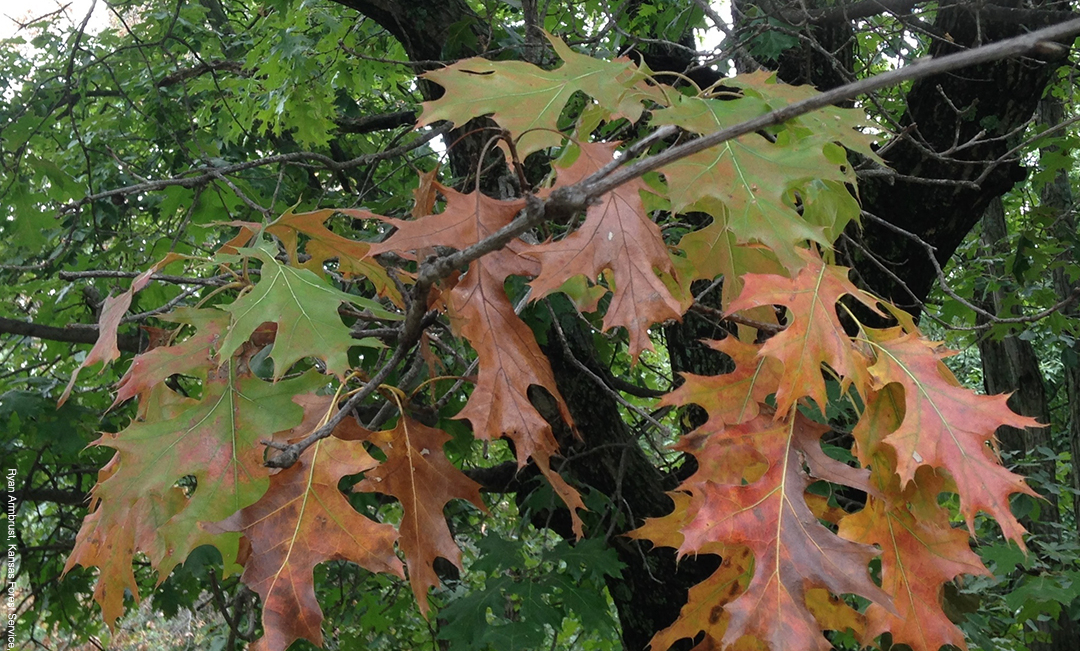
New findings of Oak Wilt have been reported for Ontario by the Canadian Food Inspection Agency. Everyone is asked to refrain from trimming and harvesting all Oak species from April to November, and to not move firewood (buy it where you burn it) to prevent spread. For more information:
https://inspection.canada.ca/plant-health/invasive-species/plant-diseases/oak-wilt/eng/1325624048625/1325624535106
|
|
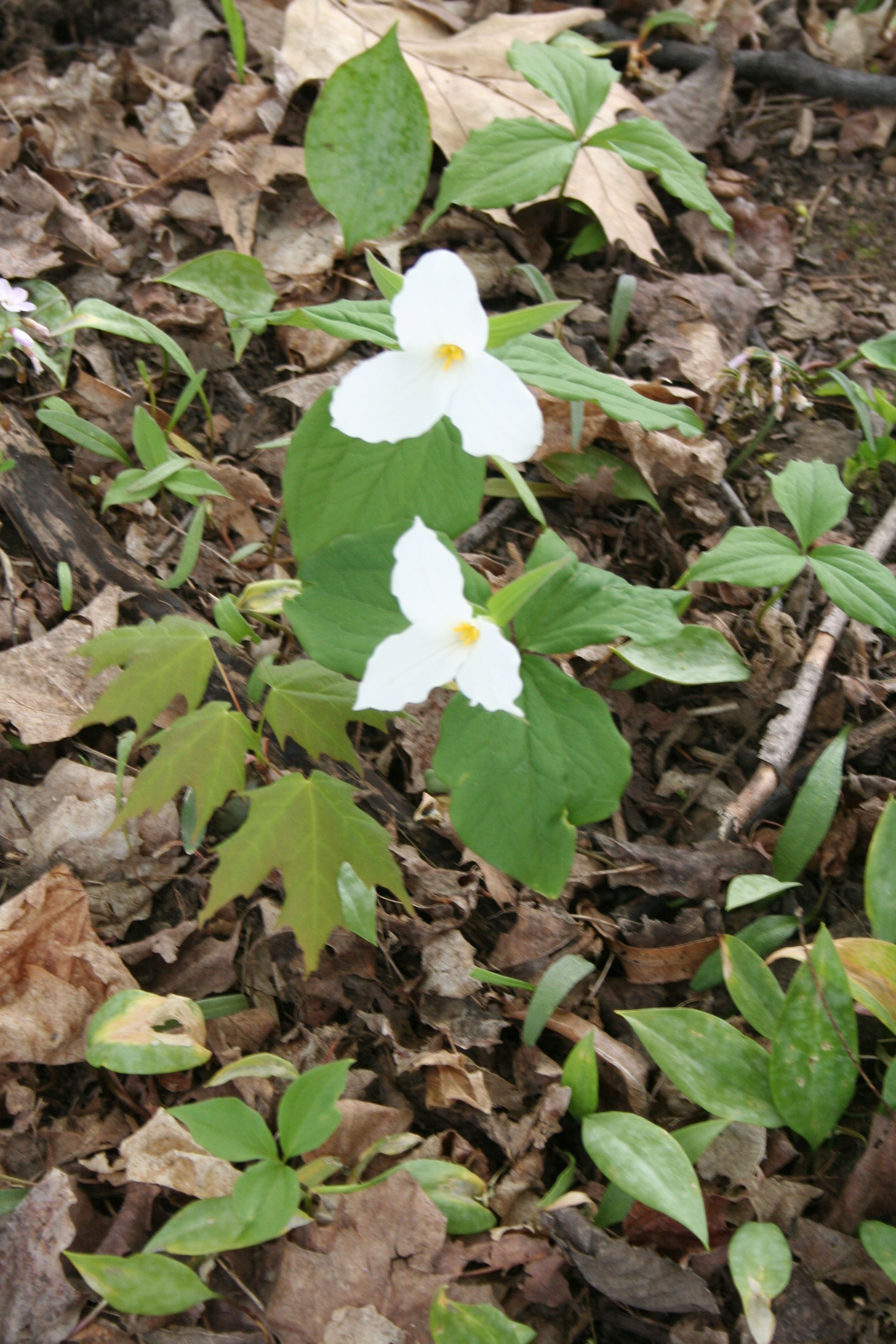
Forest, wetland or wildlife habitat being destroyed?
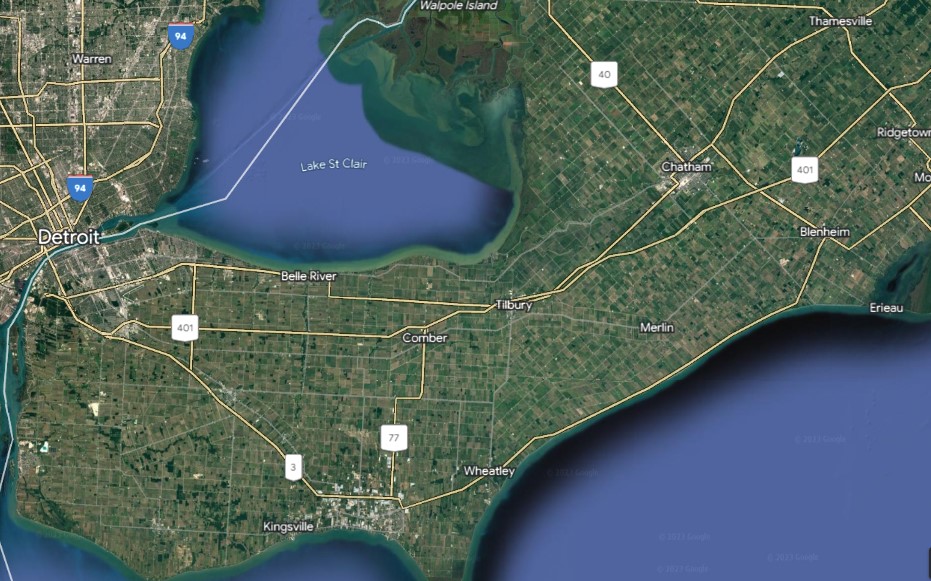
Google Earth Image showing the small amount of natural cover in Essex County and Chatham-Kent.
Person Charged and Fined $200,000 for Destroying Wetland!
To read the CTV article, just click on the Spotted Turtle image below:
Bill 23 and You
Want to know how Bill 23 can negatively change the Ontario Wetland Evaluation System? – a link is provided below to a submission supported by 70 organizations to the Minister of Natural Resources and Forestry
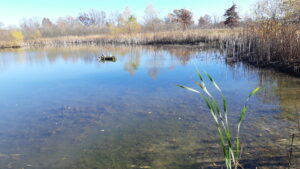
Ojibway National Urban Park? – What’s Next:
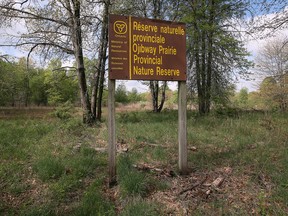
Ontario is losing 319 acres of Agricultural lands per day!
This article provides information questioning whether this new method of farming some of our food products, will be used to justify the paving over of more of our ever important agricultural lands.
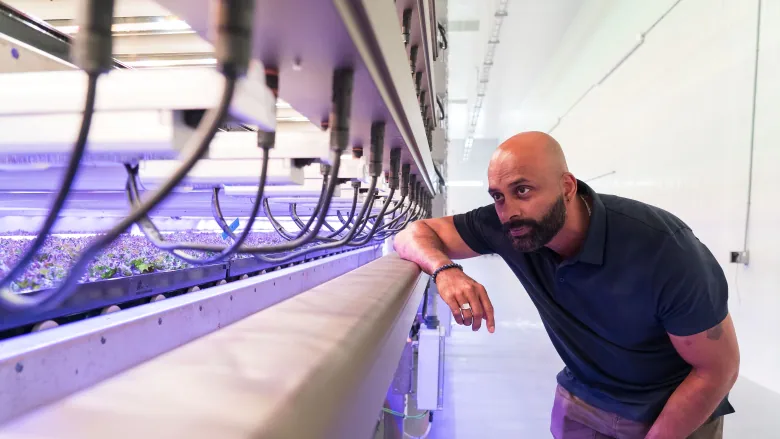
https://www.cbc.ca/news/canada/toronto/vertical-farmers-say-industry-is-future-of-food-1.6509873
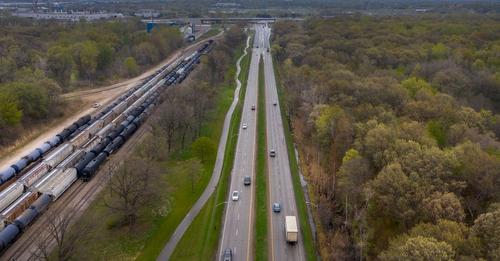
The City of Windsor Further Funds Consulting Firm Proposing Unlawful and Environmentally Destructive Wildlife Crossings.
The site comprises Provincially Protected Woodlands/Wetlands and alternatives are available.

Great news to share!
Since our initial posting of the threat of housing developments on the Globally Significant site of Juno Beach, we have learned that the Canadian Government has made financial contributions to secure this area for future generations!
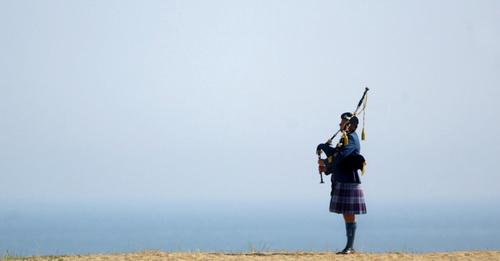
On the anniversary of the landing on Juno Beach by Canadian Soldiers in 1944, an article with video links by CTV highlighting efforts to conserve this site from a proposed condominium development. Many of our Canada South Land Trust members and supporters are active in efforts for the conservation of our cultural heritage. It is with that interest in mind, that sharing this article on this date is done, to afford people the opportunity to have their voices heard.
– Lest we forget
(Just click on the photo above and a link will be provided for their full story with videos.)
________
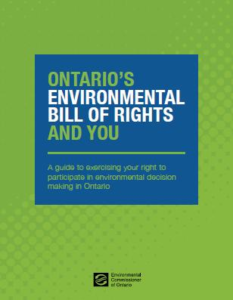
The Canada South Land Trust has signed on a letter with 61 other conservation organizations in response to the passing of Bill 109 in contravention of our Ontario Environmental Bill of Rights. The letter can be found by double-clicking on the Environmental Commissioner of Ontario report cover above.
__________
A great sign to remind us to be watchful on our roadways!
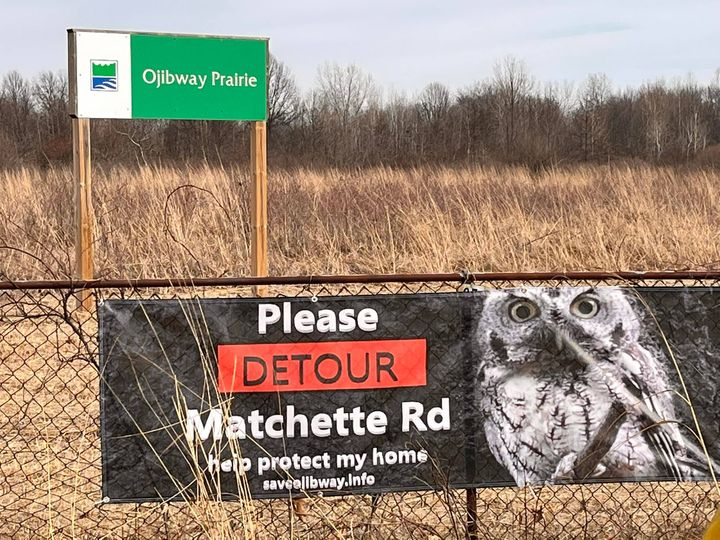
Vehicular strikes have significant impacts on wildlife populations. We can plan to save our vulnerable species from extinction and extirpation – part of that plan can be as simple as our choices of where and how we drive. It can take some turtle species up to 20 years before they mature to reproduce, and one miscalculating driver, on one trip, to end all of those years of survival and hope. Please protect our imperiled ecosystem members. *Click on the picture for the Windsor Star article on the placement of the banner.
__________

Great News!! Ojibway Shores has finally been secured by the Federal Government!
We are so very appreciative of the efforts of many people in our community and beyond, that have contributed their expertise for the evaluation of this property and to those who shared their voices and letters to make this happen!
To learn more please click on the image above.